Find out how to secure the best ag equipment loan rates with practical tips on comparing lenders, improving your credit, and preparing your finances.

Share this Article: 

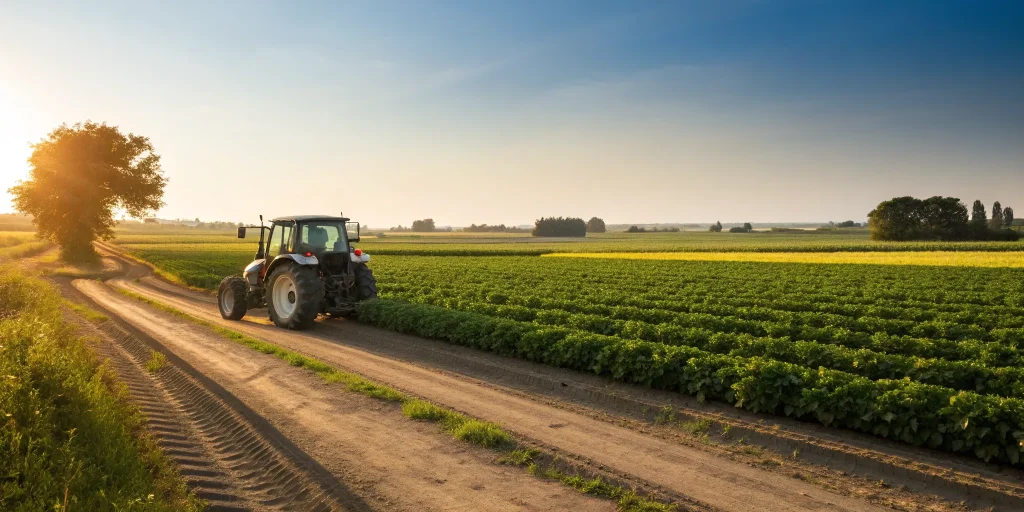
Tractor on a farm at sunset, financed with the best ag equipment loan rates.

When you’re ready to finance new farm equipment, it can feel like the lender holds all the cards. However, you have more influence over the outcome than you might think. Securing favorable ag equipment loan rates isn’t about luck, it’s about preparation and understanding what lenders are looking for. By learning how factors like your down payment, cash flow, and choice of lender impact agricultural equipment financing, you can put yourself in the strongest possible position. This is your playbook for navigating the financing process, giving you the tools to not just get approved, but to secure a great rate.

Key Takeaways

  • Your Financial Health Sets the Stage: Lenders calculate your interest rate based on your farm’s specific profile. A strong credit score, consistent cash flow, and a solid down payment are your most powerful tools.
  • Preparation is Your Best Negotiating Tool: Organize your financial documents and compare offers from different lenders before you start shopping for equipment to secure the best possible deal.
  • Look Beyond a Standard Loan: A traditional loan isn’t your only option. Consider alternatives like equipment leasing or a business line of credit to find a solution that matches your farm’s cash flow.

Understanding Current Agricultural Equipment Loan Rates

If you’re comparing ag equipment loan rates, it’s crucial to think beyond just the interest rate. Many farmers overlook how loan structure, seasonal cash flow, and lender flexibility can impact long-term affordability. When choosing a lender, consider those who understand agricultural cycles and offer payment options aligned with your harvest schedule—such as annual or semi-annual payments.

Also, don’t underestimate the value of pre-approval. Getting pre-qualified lets you lock in favorable loan terms and understand what you can afford before shopping. Many lenders offer tiered interest rates based on loan amount—larger loans may receive better rates if you meet stricter credit criteria.

For those investing in newer equipment, look for promotional rates from manufacturers or dealers. These deals can beat traditional lenders, especially if you plan to pay off early and want to avoid prepayment penalties. Finally, ask about refinancing options. If rates drop or your credit improves, refinancing may lower your monthly payments and save you thousands over time.

Being proactive, informed, and flexible gives you the power to secure the best financing for your agricultural operation.

Fixed vs. Variable Rates

  • Fixed-Rate Loans: Your interest rate is locked in for the entire loan term. Your monthly payment never changes, making budgeting simple and predictable.
  • Variable-Rate Loans: The interest rate can change over time based on market conditions. It might start lower than a fixed rate, but if market rates rise, your payments will too.

However, if market rates go up, so will your payments. It’s important to understand this distinction before financing large agricultural equipment so you can choose the option that best fits your farm’s financial strategy and risk tolerance.

Typical Rates by Equipment Type

While rates change, the current landscape for farm equipment loans generally ranges from 5% to over 9%, depending on your qualifications. Applicants with excellent credit and strong financials will always secure the most competitive agricultural equipment loan rates. For example, some lenders offer fixed rates starting around 6.95% for loans over $250,000 and 7.45% for loans between $100,000 and $249,999. These figures are a great starting point, but remember they are influenced by many factors, including current financing trends and the specific lender’s programs.

How the Market Affects Your Rate

Economic factors like inflation, supply chain issues, and Federal Reserve policies directly shape the lending environment. When the economy is strong, lenders can offer more attractive terms. Conversely, when the agricultural credit outlook shows tightening markets, it can lead to higher rates and stricter lending criteria.

What Affects Your Ag Equipment Loan Rate?

Key Factors That Determine Your Ag Equipment Loan Rate

Securing a great interest rate is about understanding what lenders look for. By getting a handle on these key factors, you can present a stronger application and secure more favorable terms.

  • Your Credit and Financial History: A higher credit score signals a reliable track record of managing debt, making you a lower-risk borrower. Lenders reward lower risk with lower interest rates.
  • Loan Amount and Term: A larger loan or a longer repayment term (typically 3-7 years) can sometimes carry a slightly higher interest rate because it represents a greater risk to the lender.
  • Your Down Payment: Putting more money down reduces the total amount you need to borrow and lowers the lender’s risk. A down payment of 10% to 20% can significantly improve your loan terms.
  • Equipment Details (Age, Type, and Value): The equipment itself serves as collateral. New equipment often secures better rates due to its higher value, but lenders regularly finance well-maintained used machinery as well.
  • Your Choice of Lender: Banks, credit unions, and specialized financing advisors like Big Think Capital all have different lending criteria and rate structures. Finding the right lender is a key step in securing a farm loan that truly fits your operation’s needs and financial situation.
  • Farm Income and Cash Flow: Lenders will carefully review your farm’s income statements, balance sheets, and cash flow projections to ensure you can comfortably support the loan payments. Before you apply, make sure your financial records are organized and up-to-date. Demonstrating that your farm’s finances can comfortably support the loan payments will go a long way toward helping you lock in a competitive interest rate and favorable terms.

Breaking Down Ag Equipment Loan Terms

When you’re looking at a loan offer, the interest rate is just one piece of the puzzle. The terms of the loan—things like how long you have to pay it back and what you can use as collateral—are just as important. Getting familiar with these details will help you compare offers accurately and choose the financing that truly fits your farm’s needs.

Repayment Periods

The repayment period, or loan term, is the amount of time you have to pay back the loan. For ag equipment, terms typically range from two to seven years. Longer terms mean lower monthly payments, but you’ll pay more in interest over the life of the loan. Shorter terms have higher payments but save you money on interest. For specialized, long-lasting assets like pivot irrigation systems, some lenders even offer terms up to 10 years. Think about your farm’s cash flow and how a new payment will fit into your budget when deciding on the right term length for you.

Loan Amounts

Lenders have minimums and maximums for what they’ll finance. Generally, the smallest loan amount you can get for farm equipment is around $5,000. However, if you’re buying from a private seller or at an auction, that minimum often jumps to $25,000. This is because financing these types of sales can involve more risk and administrative work for the lender. Before you start shopping, it’s a good idea to get pre-approved for a loan so you know exactly how much you can spend and can focus your search on equipment within your budget.

Payment Schedules

Farming isn’t a 9-to-5 job with a steady paycheck, and lenders in the ag space understand that. That’s why many offer flexible payment schedules to match your farm’s cash flow cycle. Instead of being locked into a standard monthly payment, you can often choose from annual, semiannual, or quarterly payments. This flexibility allows you to align your loan payments with your peak earning seasons, making it much easier to manage your business finances without straining your cash reserves during slower months. Be sure to ask potential lenders what scheduling options they provide.

Collateral Requirements

Most farm equipment loans are secured loans, which simply means you have to put up collateral. The good news is that in most cases, the equipment you’re buying serves as its own collateral. This arrangement is great for both you and the lender. It lowers the lender’s risk, which often translates into more favorable terms and a better interest rate for you. Unlike an unsecured business loan, which relies solely on your creditworthiness, a secured equipment loan gives the lender an asset to recover if the loan defaults, making approval easier to obtain.

Prepayment Options

What if you have a great harvest and want to pay off your loan ahead of schedule? Some loans come with prepayment penalties, which are fees for paying off the debt early. Fortunately, this is rare with ag equipment financing. Most lenders will let you pay off your loan at any time without charging you extra fees. This is a fantastic feature that gives you the flexibility to save on future interest payments and become debt-free faster if your financial situation allows. Always confirm that a loan has no prepayment penalties before you sign the dotted line.

Strategies to Secure the Lowest Agricultural Equipment Loan Rates

You have more control over the rate you receive than you might think. A few strategic steps can position you as a strong candidate and help you land the best possible deal.

  • Build a Strong Credit Profile: Before applying, review your credit report for errors and ensure all your bills are paid on time. Small improvements can make a significant difference.
  • Compare Offers from Different Lenders: Don’t accept the first offer. Comparing multiple offers from banks, credit unions, and financing partners ensures you find the most favorable terms for your situation.
  • Prepare Your Financial Documents: Have your recent tax returns, balance sheets, and cash flow projections organized and ready. This speeds up the application process and shows you’re a serious business owner.
  • Time Your Application Strategically: Apply for financing before you desperately need the equipment. A proactive approach gives you more time and leverage to negotiate the best deal.
  • Explore Tax and Government Programs: Government agencies like the USDA Farm Service Agency offer loan programs with favorable terms. Additionally, tax incentives like Section 179 can significantly lower your overall costs.

Other Ways to Finance Ag Equipment

While a traditional ag equipment loan is a straightforward way to finance your next big purchase, it’s not your only choice. Depending on your farm’s cash flow, long-term goals, and the specific piece of equipment you need, an alternative financing route might be a better fit. Exploring all your options ensures you find a solution that supports your operational needs without straining your finances.

Think of it like choosing the right tool for the job—you wouldn’t use a combine to plant seeds. The same logic applies to financing. Sometimes, the flexibility of a lease is perfect for equipment you plan to upgrade in a few years. Other times, the convenience of dealer financing gets you in the field faster. Government-backed programs can offer excellent terms if you qualify, and a line of credit provides a ready source of capital for various needs. Let’s look at some of the most common alternatives to a standard equipment loan.

Equipment Leasing

If you want lower monthly payments and the ability to use the latest machinery, equipment leasing could be the right move. Instead of buying the equipment outright, you essentially rent it for a set period. This often means a lower upfront cost and more predictable monthly expenses, which is great for managing your budget. At the end of the lease term, you typically have the option to buy the equipment, renew the lease, or simply return it. This type of financing is particularly useful for technology that evolves quickly, as it prevents you from getting locked into owning outdated machinery.

Dealer Financing

Many farmers start their financing journey right at the dealership. This is often the most convenient option because you can handle the purchase and the financing in one place. Dealers have a deep understanding of the equipment they sell and can sometimes offer special promotions or manufacturer-backed rates that are hard to beat. While the ease of one-stop shopping is a major plus, it’s still a good idea to know your options. Comparing the dealer’s offer with quotes from other lenders ensures you’re getting a competitive deal that works for your farm’s bottom line.

SBA Loans

Don’t overlook the power of a government-backed loan. The U.S. Small Business Administration (SBA) works with lenders to offer financing with favorable terms. Because the SBA guarantees a portion of the loan, lenders can often provide lower interest rates and longer repayment periods. These SBA loans are a fantastic tool for financing major purchases like farm equipment, helping you avoid high-interest debt. The application process can be more detailed than for a conventional loan, but the potential savings and better terms often make the extra paperwork well worth the effort for your agricultural business.

Business Lines of Credit

A business line of credit offers a different kind of flexibility. Instead of a lump-sum loan for a single purchase, it gives you access to a pool of funds you can draw from as needed. You only pay interest on the amount you use, and as you repay it, your available credit is replenished. This makes a business line of credit an excellent resource for covering not just equipment but also other operational expenses that pop up, from repairs to seasonal supply purchases. It’s a powerful tool for managing cash flow and ensuring you have capital ready when an opportunity arises.

Related Articles

Frequently Asked Questions

What are typical interest rates for farm equipment loans? A: While tailored to your farm’s profile, most agricultural equipment loan rates start in the 6% to 9% range. The final rate depends on your credit score, financial history, down payment, and the equipment type. The best way to determine your specific rate is to see what lenders can offer based on your profile.

How much should I provide for a down payment? A: Aiming for a 10% to 20% down payment is a great goal. A larger down payment reduces the borrowed amount, lowers the lender’s risk, and often results in more favorable loan terms and a better interest rate.

Can I get financing for used farm equipment? A: Yes. Lenders who specialize in agriculture understand that used machinery is essential to many operations. While new equipment may secure a slightly lower rate due to higher resale value, financing for well-maintained used equipment is very common.

Is it better to loan or lease my equipment? A: This depends on your long-term goals. A loan is a great choice if you plan to keep the equipment for many years and build equity. Leasing is ideal if you prefer lower monthly payments and the flexibility to upgrade to newer models every few years.

Can I get a flexible payment schedule for my seasonal income? A: Absolutely, and this is a key feature of agricultural lending. Many lenders offer flexible payment structures, such as annual, semi-annual, or quarterly payments, to align with your peak revenue seasons and make cash flow management easier.

 

Secure Your Future Today

Take the first step towards financial growth and stability with Big Think Capital. Apply now and discover tailored funding solutions designed for your success.

Blog CTA

More Articles

Financing Strategies for SMBs Amid Trade Tariffs

Discover how SMBs can utilize working capital advances and lines of credit to mitigate financial challenges from rising trade tariffs.

Optimize Working Capital During Inflation

Learn strategies to manage working capital effectively amid rising inflation and discover financing options for resilient business growth.

Understanding Impact of Fed Interest Rates on Small Business

Explore how the Fed's interest rate decisions affect small business funding, borrowing costs, and investment strategies. Get insights to navigate 2025.

When you’re ready to finance new farm equipment, it can feel like the lender holds all the cards. However, you have more influence over the outcome than you might think. Securing favorable ag equipment loan rates isn’t about luck, it’s about preparation and understanding what lenders are looking for. By learning how factors like your down payment, cash flow, and choice of lender impact agricultural equipment financing, you can put yourself in the strongest possible position. This is your playbook for navigating the financing process, giving you the tools to not just get approved, but to secure a great rate.

Key Takeaways

  • Your Financial Health Sets the Stage: Lenders calculate your interest rate based on your farm’s specific profile. A strong credit score, consistent cash flow, and a solid down payment are your most powerful tools.
  • Preparation is Your Best Negotiating Tool: Organize your financial documents and compare offers from different lenders before you start shopping for equipment to secure the best possible deal.
  • Look Beyond a Standard Loan: A traditional loan isn’t your only option. Consider alternatives like equipment leasing or a business line of credit to find a solution that matches your farm’s cash flow.

Understanding Current Agricultural Equipment Loan Rates

If you’re comparing ag equipment loan rates, it’s crucial to think beyond just the interest rate. Many farmers overlook how loan structure, seasonal cash flow, and lender flexibility can impact long-term affordability. When choosing a lender, consider those who understand agricultural cycles and offer payment options aligned with your harvest schedule—such as annual or semi-annual payments.

Also, don’t underestimate the value of pre-approval. Getting pre-qualified lets you lock in favorable loan terms and understand what you can afford before shopping. Many lenders offer tiered interest rates based on loan amount—larger loans may receive better rates if you meet stricter credit criteria.

For those investing in newer equipment, look for promotional rates from manufacturers or dealers. These deals can beat traditional lenders, especially if you plan to pay off early and want to avoid prepayment penalties. Finally, ask about refinancing options. If rates drop or your credit improves, refinancing may lower your monthly payments and save you thousands over time.

Being proactive, informed, and flexible gives you the power to secure the best financing for your agricultural operation.

Fixed vs. Variable Rates

  • Fixed-Rate Loans: Your interest rate is locked in for the entire loan term. Your monthly payment never changes, making budgeting simple and predictable.
  • Variable-Rate Loans: The interest rate can change over time based on market conditions. It might start lower than a fixed rate, but if market rates rise, your payments will too.

However, if market rates go up, so will your payments. It’s important to understand this distinction before financing large agricultural equipment so you can choose the option that best fits your farm’s financial strategy and risk tolerance.

Typical Rates by Equipment Type

While rates change, the current landscape for farm equipment loans generally ranges from 5% to over 9%, depending on your qualifications. Applicants with excellent credit and strong financials will always secure the most competitive agricultural equipment loan rates. For example, some lenders offer fixed rates starting around 6.95% for loans over $250,000 and 7.45% for loans between $100,000 and $249,999. These figures are a great starting point, but remember they are influenced by many factors, including current financing trends and the specific lender’s programs.

How the Market Affects Your Rate

Economic factors like inflation, supply chain issues, and Federal Reserve policies directly shape the lending environment. When the economy is strong, lenders can offer more attractive terms. Conversely, when the agricultural credit outlook shows tightening markets, it can lead to higher rates and stricter lending criteria.

What Affects Your Ag Equipment Loan Rate?

Key Factors That Determine Your Ag Equipment Loan Rate

Securing a great interest rate is about understanding what lenders look for. By getting a handle on these key factors, you can present a stronger application and secure more favorable terms.

  • Your Credit and Financial History: A higher credit score signals a reliable track record of managing debt, making you a lower-risk borrower. Lenders reward lower risk with lower interest rates.
  • Loan Amount and Term: A larger loan or a longer repayment term (typically 3-7 years) can sometimes carry a slightly higher interest rate because it represents a greater risk to the lender.
  • Your Down Payment: Putting more money down reduces the total amount you need to borrow and lowers the lender’s risk. A down payment of 10% to 20% can significantly improve your loan terms.
  • Equipment Details (Age, Type, and Value): The equipment itself serves as collateral. New equipment often secures better rates due to its higher value, but lenders regularly finance well-maintained used machinery as well.
  • Your Choice of Lender: Banks, credit unions, and specialized financing advisors like Big Think Capital all have different lending criteria and rate structures. Finding the right lender is a key step in securing a farm loan that truly fits your operation’s needs and financial situation.
  • Farm Income and Cash Flow: Lenders will carefully review your farm’s income statements, balance sheets, and cash flow projections to ensure you can comfortably support the loan payments. Before you apply, make sure your financial records are organized and up-to-date. Demonstrating that your farm’s finances can comfortably support the loan payments will go a long way toward helping you lock in a competitive interest rate and favorable terms.

Breaking Down Ag Equipment Loan Terms

When you’re looking at a loan offer, the interest rate is just one piece of the puzzle. The terms of the loan—things like how long you have to pay it back and what you can use as collateral—are just as important. Getting familiar with these details will help you compare offers accurately and choose the financing that truly fits your farm’s needs.

Repayment Periods

The repayment period, or loan term, is the amount of time you have to pay back the loan. For ag equipment, terms typically range from two to seven years. Longer terms mean lower monthly payments, but you’ll pay more in interest over the life of the loan. Shorter terms have higher payments but save you money on interest. For specialized, long-lasting assets like pivot irrigation systems, some lenders even offer terms up to 10 years. Think about your farm’s cash flow and how a new payment will fit into your budget when deciding on the right term length for you.

Loan Amounts

Lenders have minimums and maximums for what they’ll finance. Generally, the smallest loan amount you can get for farm equipment is around $5,000. However, if you’re buying from a private seller or at an auction, that minimum often jumps to $25,000. This is because financing these types of sales can involve more risk and administrative work for the lender. Before you start shopping, it’s a good idea to get pre-approved for a loan so you know exactly how much you can spend and can focus your search on equipment within your budget.

Payment Schedules

Farming isn’t a 9-to-5 job with a steady paycheck, and lenders in the ag space understand that. That’s why many offer flexible payment schedules to match your farm’s cash flow cycle. Instead of being locked into a standard monthly payment, you can often choose from annual, semiannual, or quarterly payments. This flexibility allows you to align your loan payments with your peak earning seasons, making it much easier to manage your business finances without straining your cash reserves during slower months. Be sure to ask potential lenders what scheduling options they provide.

Collateral Requirements

Most farm equipment loans are secured loans, which simply means you have to put up collateral. The good news is that in most cases, the equipment you’re buying serves as its own collateral. This arrangement is great for both you and the lender. It lowers the lender’s risk, which often translates into more favorable terms and a better interest rate for you. Unlike an unsecured business loan, which relies solely on your creditworthiness, a secured equipment loan gives the lender an asset to recover if the loan defaults, making approval easier to obtain.

Prepayment Options

What if you have a great harvest and want to pay off your loan ahead of schedule? Some loans come with prepayment penalties, which are fees for paying off the debt early. Fortunately, this is rare with ag equipment financing. Most lenders will let you pay off your loan at any time without charging you extra fees. This is a fantastic feature that gives you the flexibility to save on future interest payments and become debt-free faster if your financial situation allows. Always confirm that a loan has no prepayment penalties before you sign the dotted line.

Strategies to Secure the Lowest Agricultural Equipment Loan Rates

You have more control over the rate you receive than you might think. A few strategic steps can position you as a strong candidate and help you land the best possible deal.

  • Build a Strong Credit Profile: Before applying, review your credit report for errors and ensure all your bills are paid on time. Small improvements can make a significant difference.
  • Compare Offers from Different Lenders: Don’t accept the first offer. Comparing multiple offers from banks, credit unions, and financing partners ensures you find the most favorable terms for your situation.
  • Prepare Your Financial Documents: Have your recent tax returns, balance sheets, and cash flow projections organized and ready. This speeds up the application process and shows you’re a serious business owner.
  • Time Your Application Strategically: Apply for financing before you desperately need the equipment. A proactive approach gives you more time and leverage to negotiate the best deal.
  • Explore Tax and Government Programs: Government agencies like the USDA Farm Service Agency offer loan programs with favorable terms. Additionally, tax incentives like Section 179 can significantly lower your overall costs.

Other Ways to Finance Ag Equipment

While a traditional ag equipment loan is a straightforward way to finance your next big purchase, it’s not your only choice. Depending on your farm’s cash flow, long-term goals, and the specific piece of equipment you need, an alternative financing route might be a better fit. Exploring all your options ensures you find a solution that supports your operational needs without straining your finances.

Think of it like choosing the right tool for the job—you wouldn’t use a combine to plant seeds. The same logic applies to financing. Sometimes, the flexibility of a lease is perfect for equipment you plan to upgrade in a few years. Other times, the convenience of dealer financing gets you in the field faster. Government-backed programs can offer excellent terms if you qualify, and a line of credit provides a ready source of capital for various needs. Let’s look at some of the most common alternatives to a standard equipment loan.

Equipment Leasing

If you want lower monthly payments and the ability to use the latest machinery, equipment leasing could be the right move. Instead of buying the equipment outright, you essentially rent it for a set period. This often means a lower upfront cost and more predictable monthly expenses, which is great for managing your budget. At the end of the lease term, you typically have the option to buy the equipment, renew the lease, or simply return it. This type of financing is particularly useful for technology that evolves quickly, as it prevents you from getting locked into owning outdated machinery.

Dealer Financing

Many farmers start their financing journey right at the dealership. This is often the most convenient option because you can handle the purchase and the financing in one place. Dealers have a deep understanding of the equipment they sell and can sometimes offer special promotions or manufacturer-backed rates that are hard to beat. While the ease of one-stop shopping is a major plus, it’s still a good idea to know your options. Comparing the dealer’s offer with quotes from other lenders ensures you’re getting a competitive deal that works for your farm’s bottom line.

SBA Loans

Don’t overlook the power of a government-backed loan. The U.S. Small Business Administration (SBA) works with lenders to offer financing with favorable terms. Because the SBA guarantees a portion of the loan, lenders can often provide lower interest rates and longer repayment periods. These SBA loans are a fantastic tool for financing major purchases like farm equipment, helping you avoid high-interest debt. The application process can be more detailed than for a conventional loan, but the potential savings and better terms often make the extra paperwork well worth the effort for your agricultural business.

Business Lines of Credit

A business line of credit offers a different kind of flexibility. Instead of a lump-sum loan for a single purchase, it gives you access to a pool of funds you can draw from as needed. You only pay interest on the amount you use, and as you repay it, your available credit is replenished. This makes a business line of credit an excellent resource for covering not just equipment but also other operational expenses that pop up, from repairs to seasonal supply purchases. It’s a powerful tool for managing cash flow and ensuring you have capital ready when an opportunity arises.

Related Articles

Frequently Asked Questions

What are typical interest rates for farm equipment loans? A: While tailored to your farm’s profile, most agricultural equipment loan rates start in the 6% to 9% range. The final rate depends on your credit score, financial history, down payment, and the equipment type. The best way to determine your specific rate is to see what lenders can offer based on your profile.

How much should I provide for a down payment? A: Aiming for a 10% to 20% down payment is a great goal. A larger down payment reduces the borrowed amount, lowers the lender’s risk, and often results in more favorable loan terms and a better interest rate.

Can I get financing for used farm equipment? A: Yes. Lenders who specialize in agriculture understand that used machinery is essential to many operations. While new equipment may secure a slightly lower rate due to higher resale value, financing for well-maintained used equipment is very common.

Is it better to loan or lease my equipment? A: This depends on your long-term goals. A loan is a great choice if you plan to keep the equipment for many years and build equity. Leasing is ideal if you prefer lower monthly payments and the flexibility to upgrade to newer models every few years.

Can I get a flexible payment schedule for my seasonal income? A: Absolutely, and this is a key feature of agricultural lending. Many lenders offer flexible payment structures, such as annual, semi-annual, or quarterly payments, to align with your peak revenue seasons and make cash flow management easier.
 

Join Big Think Capital's Newsletter

Gain expert insights and exclusive updates on financial solutions and products tailored for your business.

Communications(Required)
Newsletter Popup