Harnessing the Power of Equipment Financing Amid Rising Interest Rates
Estimated reading time: 6 minutes
- Equipment financing provides low upfront costs and enhances cash flow.
- Understanding the impact of rising interest rates is crucial for financing decisions.
- Tax benefits and flexible payment plans can optimize financing options.
- Shopping around for financing providers is essential for favorable terms.
- Monitoring economic trends can guide investment timing and decisions.
Table of Contents
- Understanding Equipment Financing
- The Rising Interest Rate Environment
- Why Equipment Financing Is an Advantage
- Practical Strategies for Small Business Owners
- Conclusion
- FAQ
Understanding Equipment Financing
Equipment financing is a type of funding designed specifically for the acquisition of new or used equipment. This can include machinery, vehicles, and technology critical to your business operations. Unlike traditional loans, which may require considerable down payments and longer approval processes, equipment financing is often simpler and more accessible.
Types of Equipment Financing
- Equipment Loans: You borrow a lump sum to purchase equipment and pay it back in installments. The equipment itself usually serves as collateral.
- Leasing: Rather than buying the equipment outright, you pay to use it for a specified period. At the end of the lease term, you may have the option to buy the equipment.
- Equipment Lines of Credit: Similar to a traditional line of credit, you draw funds as needed to purchase equipment, only paying interest on the amount used.
The Rising Interest Rate Environment
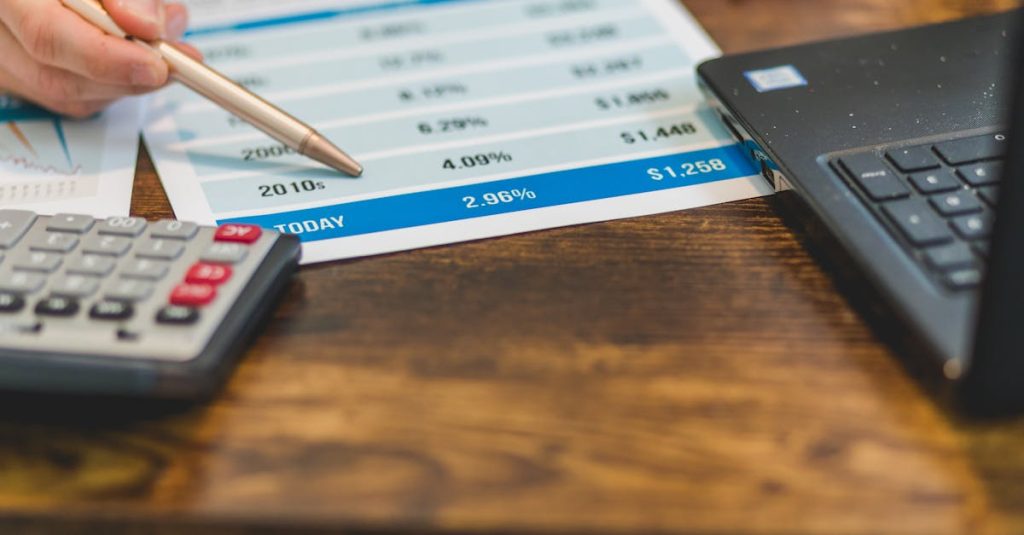
The Federal Reserve’s monetary policy adjustments have led to increased interest rates over the past few years. As of now in 2025, rates are higher than they have been in the past decade. This shift affects all forms of financing, making it essential for small businesses to be strategic about their funding sources.
Impact on Borrowing Costs
- Higher Payments: Increased interest rates translate to higher monthly payments for loans and financed equipment. Owner-operators should consider their cash flows carefully to avoid financial strain.
- Tighter Budgets: Many small businesses are forced to tighten their budgets, affecting their ability to invest in growth. This makes assessing financing options crucial to maintaining operational efficiency without sacrificing quality.
- Opportunities for Strategic Investments: While borrowing costs may be higher, investing in essential equipment can lead to long-term savings and increased productivity, mitigating the short-term expense of financing.
Why Equipment Financing Is an Advantage
In a time of rising interest rates, equipment financing presents very specific advantages that can help small businesses manage their resources more effectively.
Cash Flow Management
- Low Upfront Costs: With equipment financing, businesses can acquire necessary tools and machinery without facing hefty upfront expenses. This preserves cash for other business operations.
- Tax Benefits: Equipment financing options often come with tax advantages. The IRS allows businesses to write off depreciation for purchased equipment, while lease payments can sometimes be fully deductible.
- Boosting Operational Efficiency: New or modernized equipment can lead to better efficiency and productivity. Improved processes often result in reduced overhead costs, which can balance out the higher borrowing costs.
Flexibility
- Customization of Payment Plans: Many equipment financing options allow businesses to customize their repayment schedule according to their revenue cycles. This flexibility is crucial for managing cash flow, especially in fluctuating markets.
- Easier Approval Process: Compared to traditional bank loans, equipment financing often has a quicker application process and more lenient credit requirements, enabling faster access to necessary funds.
Practical Strategies for Small Business Owners
To make the most of equipment financing in the current economic climate, business owners should consider the following strategies:
1. Assess Your Equipment Needs
Before pursuing financing, conduct a thorough assessment of your current equipment and its performance. Determine what machinery or technology is essential for your operations and identify opportunities for upgrades or replacements.
2. Shop Around for Financing Options
Not all equipment financing providers offer the same terms, so it is essential to shop around. Look for options that provide competitive interest rates, favorable repayment terms, and flexible financing solutions. Big Think Capital specializes in assisting small businesses to find the best financing tailored to their needs.
3. Prepare Your Financial Documents
Having your financial documents organized can streamline the application process. Be ready with:
- Profit and loss statements
- Cash flow projections
- Previous tax returns
- Business plan outlining how the equipment will enhance operations
4. Take Advantage of Tax Deductions
Consult with a tax professional to explore available tax deductions related to equipment acquisition. These deductions can provide significant relief, helping to balance the costs incurred from financing.
5. Monitor Economic Trends
Stay informed about market trends and economic conditions. Knowing when to finance and when to wait can make a significant difference. Understanding broader economic shifts can help you make informed decisions about when to invest in new equipment.
Conclusion
In an era of rising interest rates, small business owners must adapt their funding strategies to remain competitive and optimize their resources. Equipment financing provides a viable solution, offering flexibility, enhancing cash flow management, and allowing for essential investments without stifling operational budgets.
By carefully assessing equipment needs, exploring financing avenues, and staying informed about economic trends, small businesses can harness the power of equipment financing to drive growth and ensure operational efficiency.
To learn more about how Big Think Capital can assist your business in securing the right funding for your equipment needs, visit us at bigthinkcapital.com or speak with one of our funding experts today. With the right support, your small business can thrive even in challenging financial times.
FAQ
What is equipment financing?
Equipment financing is funding used to acquire machinery, vehicles, or technology for business operations, typically with easier terms compared to traditional loans.
How do rising interest rates affect equipment financing?
Higher interest rates lead to increased borrowing costs, which can raise monthly payments for equipment loans and affect the overall budget of small businesses.
Are there tax benefits for equipment financing?
Yes, equipment financing can come with tax advantages, including the deductibility of lease payments and depreciation on purchased equipment.
How can small businesses adapt to rising interest rates?
Businesses can adjust their funding strategies, explore different financing options, and monitor economic trends to ensure they remain competitive.
What should I consider before financing equipment?
It’s important to assess your current equipment needs, shop around for the best financing terms, and prepare necessary financial documents for a smoother application process.