
Surviving Inflation and Rising Prices: How to Use Working Capital Advances and Equipment Financing as Effective Financial Tools for Your Small Business in Challenging Economic Conditions
Estimated reading time: 5 minutes
- Understand the impact of inflation on small businesses.
- Leverage working capital advances for immediate cash flow.
- Utilize equipment financing to sustain operational efficiency.
- Prioritize effective financial planning to navigate economic challenges.
Table of Contents
- The Current Economic Landscape
- Working Capital Advances: A Flexible Solution
- Benefits of Working Capital Advances
- How to Use a Working Capital Advance Wisely
- Equipment Financing: Invest in Growth
- Why Choose Equipment Financing?
- Making the Most of Equipment Financing
- Practical Takeaways for Navigating Inflation
- Conclusion
- FAQ
The Current Economic Landscape
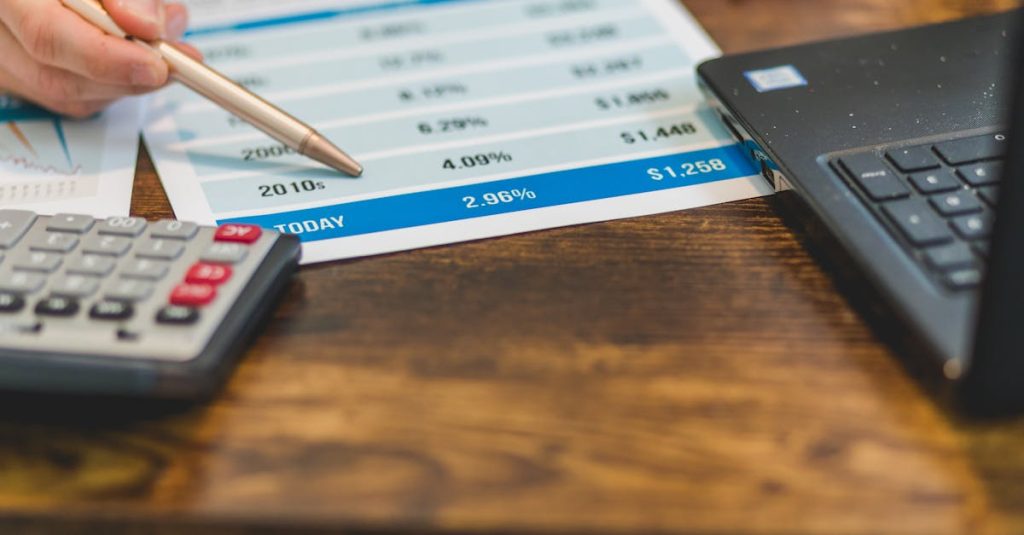
According to the U.S. Bureau of Labor Statistics, inflation reached a rate of 3.7% by 2023, which has had widespread implications for businesses across various sectors. The challenge isn’t merely rising prices; it’s about sustaining operations without sacrificing quality or service. As costs continue to fluctuate, small business owners must adapt and rethink their financial strategies.
The recent statistics paint a picture of the challenges:
- Inflation is impacting consumer purchasing power, reducing discretionary spending.
- Costs for essential goods and services have risen consistently, creating tighter margins for businesses.
- Access to affordable credit is becoming increasingly critical as traditional funding sources tighten their requirements.
Working Capital Advances: A Flexible Solution
Working capital advances are an effective way for small businesses to inject immediate cash flow into their operations. These financial products provide you with a lump sum of capital, which can be repaid through a percentage of your daily credit card sales or through fixed daily or weekly payments.
Benefits of Working Capital Advances
- Quick Access to Funds: Unlike traditional loans that may take weeks to finalize, working capital advances can be obtained much faster. This immediacy can help small businesses manage unexpected expenses or seize new opportunities without lengthy delays.
- Flexible Repayment Options: Payments are tied to your sales, which means if your sales fluctuate, so do your payments. This flexibility can ease cash flow burdens during slow sales periods.
- Minimal Documentation Required: Applying for a working capital advance typically requires less documentation than a traditional loan, making it easier for business owners to access the funds they need without getting bogged down in paperwork.
How to Use a Working Capital Advance Wisely
- Tackle Immediate Expenses: Use the advance to address urgent cash flow needs such as payroll, utility bills, or inventory restocking.
- Invest in Marketing: If your sales are slow, consider investing in targeted marketing campaigns to attract new customers and drive revenue.
- Upgrade Infrastructure: Allocate funds to necessary repairs or upgrades that enhance operational efficiency, leading to long-term savings.
Equipment Financing: Invest in Growth
Another powerful tool at your disposal is equipment financing. This financing allows small business owners to purchase or lease the equipment they need without the upfront cash outlay. Given that inflation can drive up the costs of machinery and technology, securing financing now can prove to be cost-effective.
Why Choose Equipment Financing?
- Protect Your Cash Flow: Equipment financing helps you avoid depleting your working capital. Instead of paying for heavy equipment upfront, you can manage smaller, more manageable monthly payments.
- Tax Benefits: Some equipment financing options can be deducted as business expenses, reducing your tax burden and providing another layer of financial relief.
- Upgrade Efficiency: Newer equipment often comes with improved technology, energy efficiency, and capabilities that can enhance productivity, ultimately leading to greater profitability.
Making the Most of Equipment Financing
- Choose Wisely: Research and evaluate the equipment that will give you the most significant return on investment. Look for technology that can streamline operations or enhance product quality.
- Consider Leasing vs. Buying: Leasing may offer lower monthly payments and the ability to upgrade to new equipment more frequently, while purchasing can build equity over time.
- Plan for Maintenance: Budget for ongoing maintenance and operational costs in addition to your financing payments. Keeping equipment in optimal condition will enhance its lifespan and your overall productivity.
Practical Takeaways for Navigating Inflation
- Keep a Close Eye on Cash Flow: Regularly monitor your cash flow statements to identify trends and prepare for upcoming expenses. Understanding your financial position will help you make informed decisions about when to utilize financing options.
- Prioritize Financial Planning: Develop a budget that accommodates fluctuating prices and expenses. Creating a financial plan allows you to anticipate challenges and strategize effectively, ensuring you’re prepared for the unexpected.
- Connect with Financial Experts: Regularly engage with finance professionals, such as those at Big Think Capital, to stay informed about the best funding options available and any changes in the lending landscape.
Conclusion
In an environment marked by rising prices and inflation, small business owners must employ strategic financial tools like working capital advances and equipment financing. These options not only facilitate immediate cash flow but also support long-term growth and sustainability.
Big Think Capital understands the unique challenges of small businesses and is committed to providing tailored financial solutions. By leveraging our services, you can better equip your business to navigate these difficult economic conditions.
To learn more about how Big Think Capital can support your business with working capital advances, equipment financing, and other funding solutions, visit us at bigthinkcapital.com. Let our funding experts help you find the right strategy to thrive in today’s challenging economic landscape.
FAQ
Q: What is a working capital advance?
A: A working capital advance is a financial product providing a lump sum of capital that can be repaid through a percentage of daily credit card sales or fixed payments.
Q: How quickly can I get a working capital advance?
A: Working capital advances can typically be obtained much faster than traditional loans, often in a matter of days.
Q: What are the benefits of equipment financing?
A: Equipment financing protects cash flow, potentially offers tax benefits, and enables businesses to upgrade to more efficient equipment.